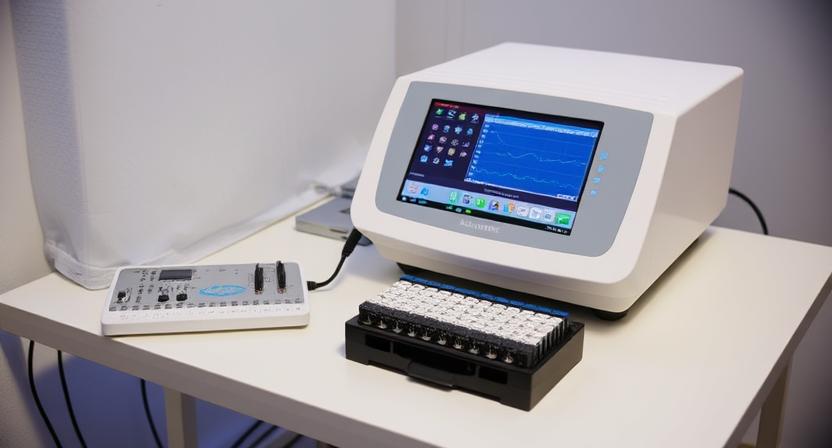
Bioresonance is a method of functional analysis of the body based on the assumption that living structures – tissues, organs, and specific burdens – exhibit characteristic bioenergetic patterns. During the examination, the bioresonance device reads the body's bioenergetic signals, compares them with reference patterns stored in the system, and indicates possible deviations from balance that may suggest overloads in the body. The examination is painless and non-invasive – it does not use radiation and does not require blood sampling.
Bioresonance results indicate parasitic, bacterial, viral or fungal burdens, toxins and heavy metals, and may also reveal imbalances within organs and systems. I always interpret the results in combination with the health interview and other information about the client's condition, because the reading itself, without a conversation with the client, has no therapeutic value. The results do not constitute a medical diagnosis but support the process of making therapeutic decisions.
The examination can be performed either in person or in a remote (mail-in) form, based on a DNA sample. This allows people from Poland, Europe, and the United Kingdom to use bioresonance without a personal visit.
Remote bioresonance is performed on the basis of biological material containing DNA: hair, nails, or saliva (United Kingdom only). You do not need to be physically present – it is sufficient to send the sample to my practice in the United Kingdom. The examination is carried out with the same level of care as in the in-person form.
Hair
Nails
Saliva (UK only)
Each sample must be labelled with the first and last name of the person being tested. In the case of material taken from a child, the person collecting the sample should wear disposable gloves to avoid transferring their own DNA. Hair and nail samples can be sent from any country.
Bioresonance is particularly helpful when symptoms are chronic or recurring, when previous tests have not provided a full answer, or when you want to better understand possible burdens on the body and cannot attend an in-person examination.
 Abionatic
 English
 Français
 Polski